
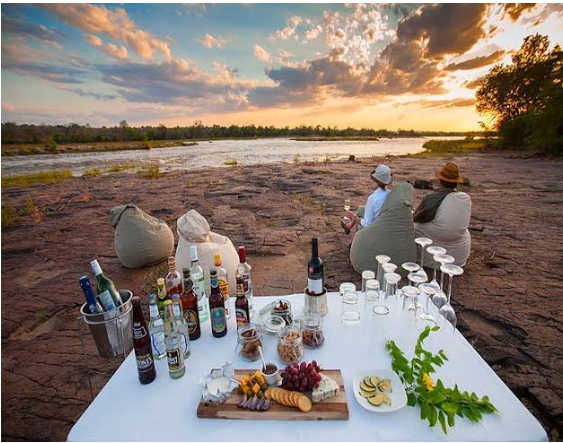

Tanzania has a reputation as a luxury destination, and it’s easy to see why. The big parks charge high daily fees, the distances are long, and the best camps price accordingly. Even so, a budget Tanzania safari is realistic if you know where the money goes and which trade-offs are worth making. This guide covers what “budget” actually means, what it costs, and how to keep the price down without wrecking the experience.
What Does “Budget” Mean in Tanzania?
On a Tanzania safari, “budget” means something different from budget travel elsewhere. You won’t find a quality safari at hostel prices, because a large share of every quote is government fees that no operator can discount.
Estimates for 2026 vary by source. One travel guide puts the budget range at $400 to $500 per person per day, while operators competing on price often quote lower, with broader market guides citing a floor of around $250 per person per day. The gap comes from what’s included, which parks you visit, and how many people share a vehicle. twowanderingsoles
A sensible planning figure for a genuine budget safari is $250 to $450 per person per day. For a week, that’s roughly $1,750 to $3,150 per person, excluding flights.
A budget safari typically means:
- Camping or basic lodges instead of mid-range or luxury properties
- A shared vehicle (a group departure) or a small private group
- Simple but filling meals
- A focus on one or two parks instead of an ambitious multi-park route
It does not have to mean unsafe vehicles, underpaid guides, or missing park fees. Those are the shortcuts to avoid.
Where Your Money Actually Goes
Understanding the cost structure helps you see where real savings exist.
Park fees are the biggest fixed cost. They’re set by the park authorities and charged per person, per 24 hours. The premium parks sit at roughly $70 to $85 or more per adult per day, with Tarangire and Lake Manyara noticeably lower at around $53 to $65. On a typical week in the northern parks, government fees alone come to roughly $500 to $600 per person. Fees are also subject to VAT, so check whether quotes include it. dumaexplorer
Vehicle and guide costs are the next big item. A 4×4 with a driver-guide is a daily expense whether two people or six are riding in it, which is why group size matters so much.
Accommodation and meals are where you have the most control. This is where budget travelers save the most, since camping and simple lodges cost a fraction of luxury camps.
Extras include visas, tips, and optional activities.
Because the fixed costs are so heavy, the best savings strategy is to cut the variable ones: accommodation, vehicle sharing, route length, and timing.
Camping vs. Budget Lodge Safaris
This is your first big decision.
Camping Safaris
Camping is the classic budget option. You sleep in tents at public campsites, with a cook preparing meals. Facilities are basic, usually shared toilets and showers.
Pros: the lowest accommodation cost, and a real sense of being in the bush.
Cons: less comfort, and cold nights at higher altitudes such as Ngorongoro’s crater rim.
Check what’s provided. Good operators supply proper sleeping mats, bedding or sleeping bags, and clean cooking equipment. Cheap quotes sometimes cut these corners.
Budget Lodge Safaris
Basic lodges and simple permanent tented camps offer real beds, private bathrooms in some cases, and hot water. They cost more than camping but remain well below mid-range prices.
Pros: more comfort, better sleep, easier for families and less adventurous travelers.
Cons: a higher daily price, and rooms are often outside the park, which means longer drives each morning.
Many travelers mix both, for example camping in the Serengeti and using a simple lodge near Arusha at the beginning and end.
Choosing the Right Parks for a Budget Trip
Your park choices shape your total more than almost anything else.
Cheaper options:
- Tarangire: famous for elephants and baobab trees, with lower fees than the premium parks.
- Lake Manyara: compact and scenic, and often combined with other parks.
- Arusha National Park: the cheapest of the northern parks, good for a short add-on day.
Pricier options:
- Serengeti: the headline attraction, with some of the highest fees and the most expensive overnight stays.
- Ngorongoro Crater: spectacular wildlife density, but with high entry fees and a per-vehicle crater descent fee of roughly $295 to $300.
A common budget approach is to build a trip around Tarangire and Lake Manyara, then add one night in Ngorongoro or one or two days in the Serengeti if the budget allows. You see excellent wildlife without paying premium rates for every day.
Sample Budget Itineraries and Estimated Costs
Prices below are rough estimates per person, assuming a group departure and camping or basic lodging. Actual costs vary by operator and season.
3-day mini safari (Tarangire and Lake Manyara): roughly $750 to $1,100. A good introduction when time or money is short.
4-day safari (Tarangire, Manyara, Ngorongoro): roughly $1,100 to $1,600. Adds the crater, though the crater fee makes it a bigger jump.
6-day northern circuit (Tarangire, Ngorongoro, Serengeti): roughly $1,800 to $2,700. This is the classic route, and it’s the one that squeezes hardest on a budget because of Serengeti and Ngorongoro fees.
7 to 8 days with extra Serengeti time: roughly $2,200 to $3,300. Better wildlife viewing and a slower pace, but a bigger total.
If a quote comes in far below these ranges, ask what has been left out.
The Best Time for a Budget Safari
Timing can lower your total noticeably.
- Low season (roughly April to May): the lowest lodge and operator rates. The long rains can make some roads difficult, and a few camps close, but the parks are quiet.
- Shoulder season (roughly November, and early March): a good balance, with decent weather, fewer crowds, and lower prices than peak months.
- High season (roughly late June to October): the best game viewing and the highest prices. Book far ahead if this is when you must travel.
Note that park fees at premium parks mostly stay the same year-round, so the savings come from accommodation and operator pricing, not the gate fees.
How to Save Money on a Tanzania Safari
- Join a group departure. Sharing a vehicle and guide splits the biggest variable cost.
- Travel outside peak months. Lodge and operator rates drop in shoulder and low seasons.
- Pick fewer parks and stay longer. Less driving means lower costs and more time with wildlife.
- Choose camping for at least part of the trip.
- Book direct with a local operator. This often costs less than going through foreign agents who add commission, though always check reviews and licensing.
- Book early. Budget camps and group departures fill up, and good dates sell out.
- Skip optional extras. A Serengeti balloon ride costs around $500 to $600 per person, so decide whether it fits.
- Pack smart. Bringing your own gear reduces rental or purchase costs.
What You Should Never Cut
Some savings are false economies. Protect these:
- A reliable, well-maintained vehicle. Breakdowns waste days and park fees.
- An experienced guide. The guide shapes your whole trip. Tips of $10 to $20 per person per day are the standard guideline.
- Travel and medical insurance, including emergency evacuation.
- Proper licensing. Make sure your operator is registered with the relevant authorities.
- Adequate meals and safe drinking water.
Red Flags in Cheap Quotes
Be cautious if you see:
- A price that seems too low for the park fees alone
- Vague wording such as “park fees may apply”
- No named accommodation or “similar” for every night
- Pressure to pay a large deposit by untraceable methods
- No reviews, no website history, or no verifiable registration
Digital payment is the norm at park gates, so reputable operators arrange fees on your behalf. If anyone suggests handling large amounts of cash, ask more questions.
Extra Costs to Budget For
Even on a tight plan, remember:
- Visa: typically around $50 for many nationalities
- Flights to Kilimanjaro or Arusha
- Tips for guides, cooks, and camp staff
- Insurance, vaccinations, and malaria prevention
- Drinks, snacks, and souvenirs
Setting aside an extra 10 to 15 percent for these avoids unwelcome surprises.
Conclusion
A budget Tanzania safari is entirely possible, but it works best when you understand that park fees set a high floor and savings must come from other choices. Camp or use simple lodges, join a group, travel outside the busiest months, and pick parks with lower fees. Be wary of prices that look too good to be true, and never compromise on vehicle quality, guide experience, or insurance. Plan carefully and you’ll see lions, elephants, and endless plains without needing a luxury budget.
Fees and exchange rates change, and published figures differ between sources. Confirm current prices with your operator and the official park authorities before you book.
Key Takeaways
- A realistic budget Tanzania safari costs about $250 to $450 per person per day.
- Park fees are fixed and make up a large share of the price, so savings come from accommodation, vehicle sharing, and route.
- Camping and group departures deliver the biggest savings.
- Tarangire, Lake Manyara, and Arusha are cheaper than the Serengeti and Ngorongoro.
- Low and shoulder seasons reduce lodge and operator rates.
- Never cut vehicle quality, guide experience, or insurance.
- Be skeptical of suspiciously low quotes and check exactly what’s included.
Frequently Asked Questions
- How much does a budget safari in Tanzania cost?
Most budget safaris cost roughly $250 to $450 per person per day, which works out to about $1,750 to $3,150 for a week, excluding flights. The exact amount depends on the parks, season, and group size. - Can I do a Tanzania safari for under $1,000?
A short trip of about three days in the cheaper parks, such as Tarangire and Lake Manyara, can come close to or below this range on a group departure. Longer trips including the Serengeti and Ngorongoro usually cost more. - Is camping safe on a Tanzania safari?
Yes, when arranged through a reputable operator. Camping is done at designated campsites, with experienced guides and crew. Ask about the campsite locations, equipment, and safety procedures when booking. - Which Tanzanian parks are cheapest to visit?
Arusha National Park, Tarangire, and Lake Manyara generally have lower entry fees than the Serengeti or Ngorongoro Crater. - Are park fees included in budget safari prices?
Usually, but always confirm. Ask for a written list of included fees, including concession, vehicle, and crater fees. - When is the cheapest time to go?
The long rains, roughly April to May, usually offer the lowest rates, followed by shoulder months such as November. Peak months from roughly June to October cost the most. - Is a group safari better than a private one on a budget?
For cost, yes. Group safaris split vehicle and guide costs, which cuts the per-person price. The trade-off is less flexibility over your schedule. - How much should I tip my guide?
A common guideline is $10 to $20 per person per day for the guide, with smaller tips for the cook and camp staff. - Do I need a visa for Tanzania?
Most travelers do, and it typically costs around $50, though the cost and rules vary by nationality. Check current requirements before you travel. - How far ahead should I book a budget safari?
For high season, book 6 to 9 months ahead if possible, since budget camps and group departures fill up. For low and shoulder seasons, 2 to 4 months is often enough.
I can also put this in a file if you’d like, or adapt it for a particular tone, audience, or tour operator.